

The Stewardship Approach
A home is more than the sum of its square footage.
The things that make a home remarkable are often the things that can’t be captured in a listing description.
The craftsmanship. The proportions. The materials. The way a house sits within its neighborhood. The choices someone made decades ago that are still worth preserving today.
To me, home stewardship begins with understanding those things—and understanding the home itself.
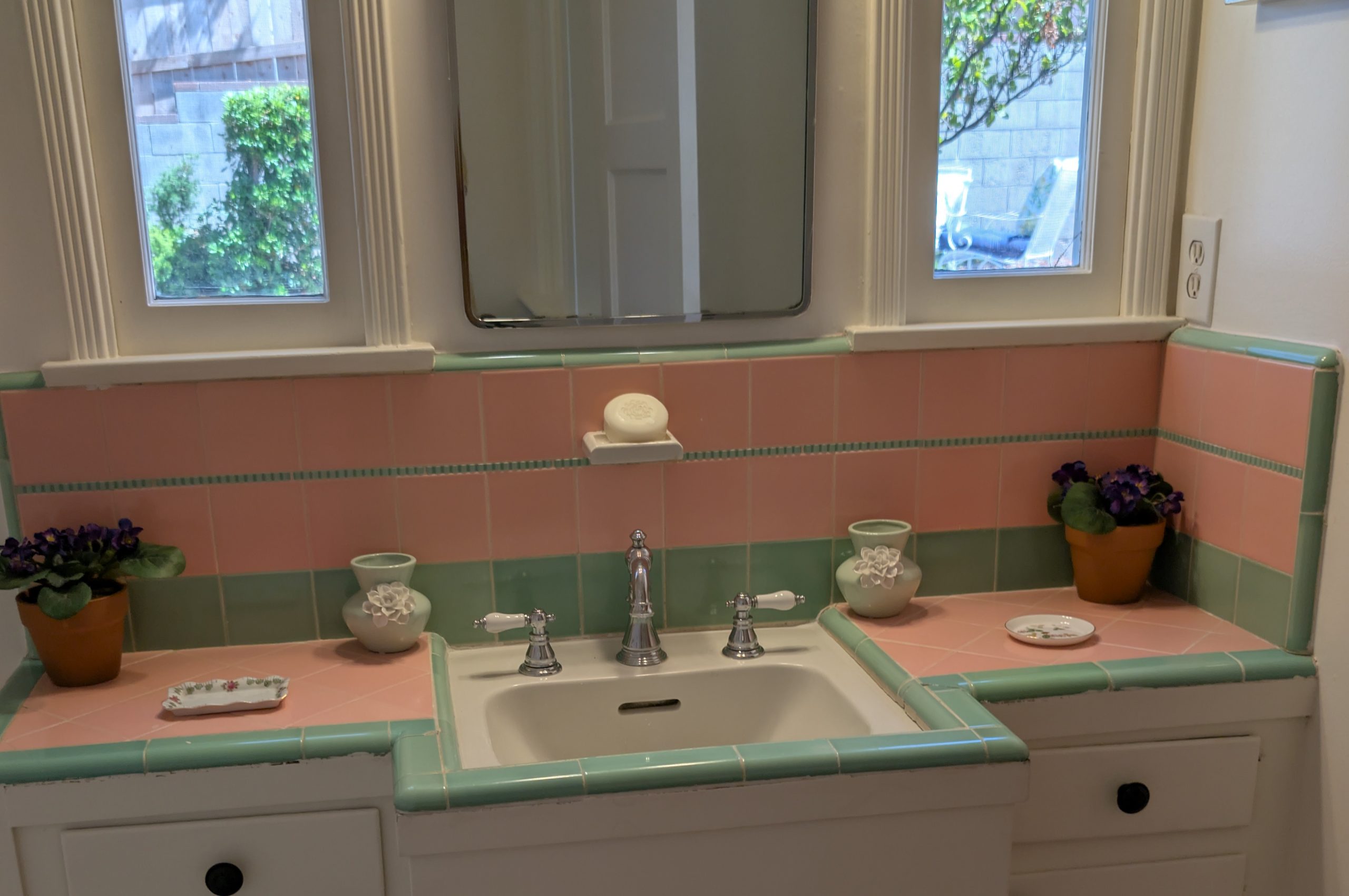

Originality
Original materials give a home a voice of its own. Sometimes preserving what is already there is the most thoughtful choice.
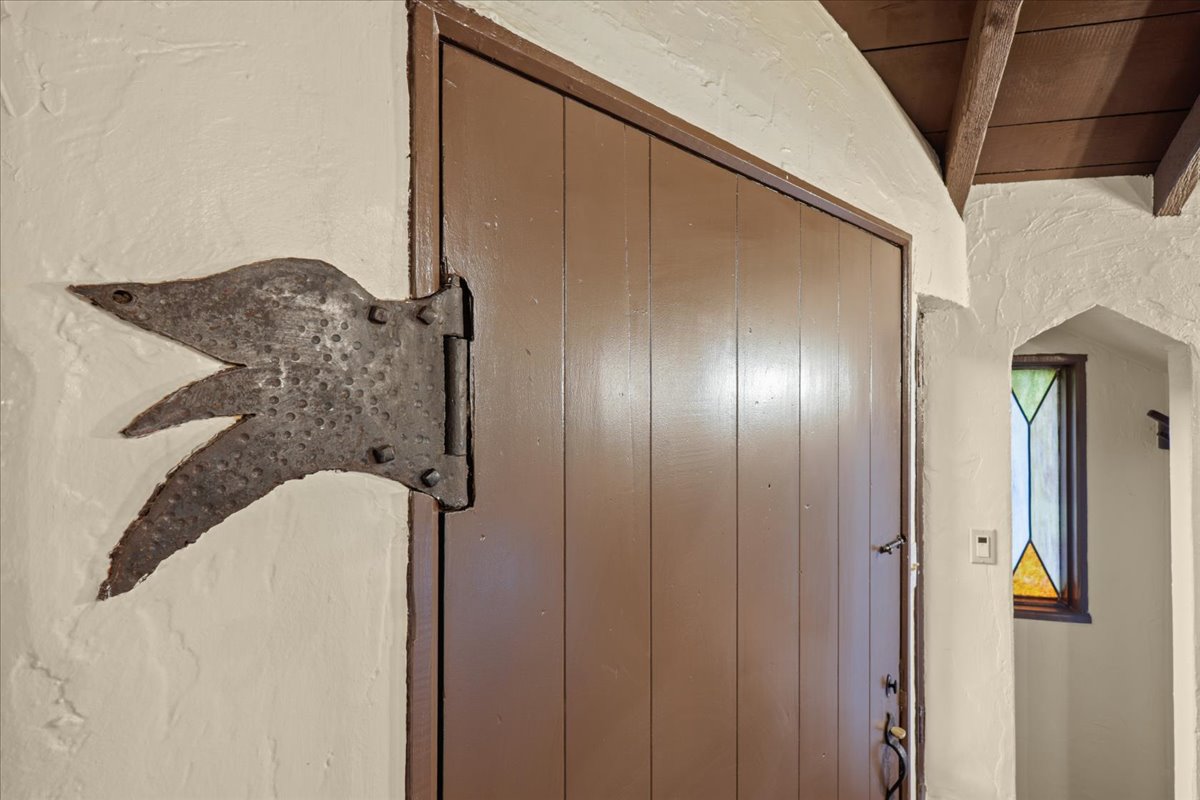
Craftsmanship
The details tell us how a home was made—and how much thought went into making it beautiful.
Character
Character often lives in the details that could never be replicated by something chosen from a catalog. Those are often the things most worth preserving.
HOME STEWARDSHIP IN PRACTICE
It’s about knowing what is worth keeping.
A home should be allowed to evolve. Kitchens change. Families change. The way we live changes. But thoughtful change begins with understanding what gives a home its character in the first place.
Sometimes stewardship means restoring an original detail. Sometimes it means adapting a home for modern life. The goal isn’t to make a house a museum. It’s to make thoughtful choices that respect what was already there.
Good stewardship begins with understanding what you have.
A DIFFERENT WAY TO APPROACH REAL ESTATE
Buying or selling a home with character requires a different kind of attention.
For buyers, that means looking beyond finishes and square footage to understand what makes a home special—and what may be worth preserving.
For sellers, it means recognizing the qualities that distinguish a home and presenting them to buyers who will understand their value.
In both cases, my role is the same: to help you see the whole home—not just the transaction.
BUYING WITH AN EYE FOR CHARACTER
Finding the right home is about more than bedrooms, bathrooms, and price. It’s about recognizing the details that give a house its identity—and knowing when you’ve found something worth carrying forward.
SELLING WITH AN EYE FOR CHARACTER
Selling a distinctive home is about more than putting it on the market. It’s about understanding what makes it special—and presenting those qualities so the right buyer recognizes them too.
