

Architecture & Details
Sometimes the smallest details tell the biggest story.
Architecture is more than a style name. It’s a collection of decisions—materials, proportions, craftsmanship, technology, and countless details that reflect how people lived and what builders valued at a particular moment in time.
An original window, a hand-painted tile, unusual hardware, a built-in cabinet, or a perfectly preserved light fixture may seem insignificant on its own. But together, details like these give a building its identity.
They also make looking at older homes endlessly interesting. The closer you look, the more there is to discover.
Details aren't merely decoration. They're evidence.
LOOK CLOSER
Every era left its fingerprints.
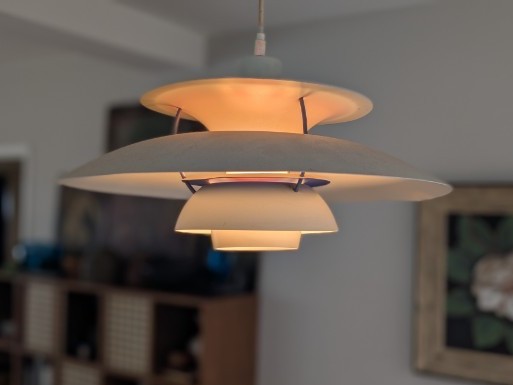
Materials and details change with time. Craftsman woodwork, Batchelder-style tile, steel casement windows, Art Deco fixtures, colorful postwar kitchens, and Mid-Century lighting each reflect different ideas about how a home should look and function.
Some details were handmade. Others were products of new technologies and manufacturing methods. What they share is the ability to place a home within a particular moment—and to give it a character that can be difficult to recreate once it's gone.
Original doesn't always mean perfect. That's often what makes it interesting.
DESIGN IN THE DETAILS
The things we choose to keep can tell us as much as the architecture itself.
ORIGINAL, RESTORED, OR REPLACED?
Preservation doesn't mean freezing a house in time.
Almost every older home has changed. Kitchens are remodeled, systems are updated, rooms are repurposed, and materials eventually wear out. The question isn't whether a house should change, but how thoughtfully those changes are made.
Sometimes an original feature can be repaired. Sometimes a missing detail can be recreated. And sometimes something new is exactly what a house needs.
What matters is understanding what you're working with before making that decision—recognizing which elements contribute to the home's character, which have already been altered, and where change can happen without erasing what made the house distinctive in the first place.
A good renovation shouldn't make you wonder where the old house went.
LOOKING WITH INTENTION
The more you understand the details, the more clearly you can see the whole house.
Architecture becomes much more interesting when you know what to look for.
A window profile, a tile pattern, a light fixture, a piece of hardware, or the proportions of a room can reveal something about when a house was built, how it evolved, and what may still be worth preserving.
Learning to see those details is part of learning to understand the home itself.
