

HISTORIC HOME STEWARDSHIP
Owning a piece of history comes with both opportunities and responsibilities.
A historic or character home is more than an architectural style or a date on a building permit. Its materials, craftsmanship, alterations, and history all contribute to what it has become.
Understanding those things can help an owner make better decisions about repairs, renovations, preservation, and even the eventual sale of the property.
Stewardship doesn't mean a home can never change. It means understanding what makes it significant before deciding what should change—and what deserves to remain.
Historic home stewardship starts with understanding what is already there—and what may be worth preserving.
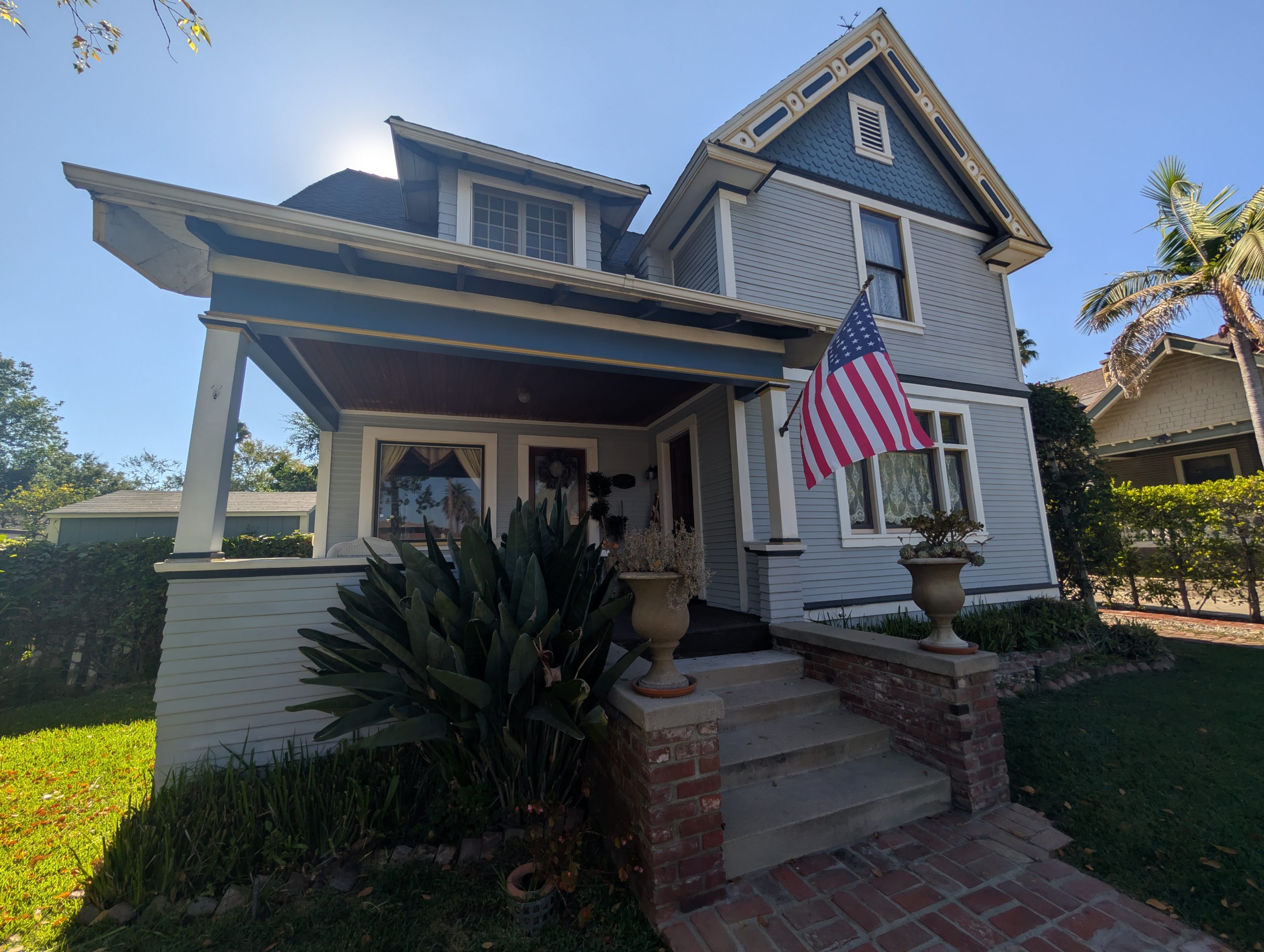
HISTORIC HOME STEWARDSHIP IN PRACTICE
Understanding what you have can open doors you may not know are there.
For some homes, historic designation can provide a framework for protecting the architectural qualities that make the property significant. It can also connect homeowners with resources and programs intended to encourage thoughtful preservation.
In California, one of the best-known of these is the Mills Act, which allows participating local governments to enter into contracts with owners of qualified historic properties. In exchange for an owner's commitment to preserve and maintain the property, the program can provide a reduction in property taxes.
Qualification isn't automatic, and the rules, application process, contractual obligations, and potential tax savings vary by property and municipality. Understanding those details is an important part of deciding whether historic designation or a Mills Act contract makes sense for a particular home.
I also work with experienced professionals who can help homeowners navigate the historic designation and Mills Act process—from evaluating whether a property may qualify through the application and ongoing requirements.
Preservation doesn't have to be something you navigate alone.
EXPERIENCE WITH PRESERVATION
Sometimes stewardship begins with recognizing that a home deserves protection.
I had the opportunity to help a past client pursue historic designation for her home and connect her with the professionals who guided her through the process of obtaining a Mills Act contract.
The experience gave me a firsthand appreciation for what preservation can mean to a homeowner—not only the potential financial benefit, but the opportunity to formally recognize what makes a property significant and help ensure that its character is carried forward.
It also reinforced something I already believed: preserving a remarkable home is rarely a one-person effort. It can involve knowledgeable professionals, careful research, and an owner who understands what makes the home worth protecting.
The best preservation begins with understanding the story of the house.
QUESTIONS WORTH ASKING
COULD MY HOME QUALIFY?
Age alone doesn't make a property historic. Architectural integrity, history, associations, alterations, and local preservation criteria can all matter.
WHAT WOULD DESIGNATION MEAN?
Historic designation can come with responsibilities as well as benefits. Understanding what changes may require review—and what protections designation provides—is important before moving forward.
COULD THE MILLS ACT HELP?
For qualifying properties in participating communities, a Mills Act contract may provide meaningful property-tax savings in exchange for an ongoing commitment to preservation and maintenance.
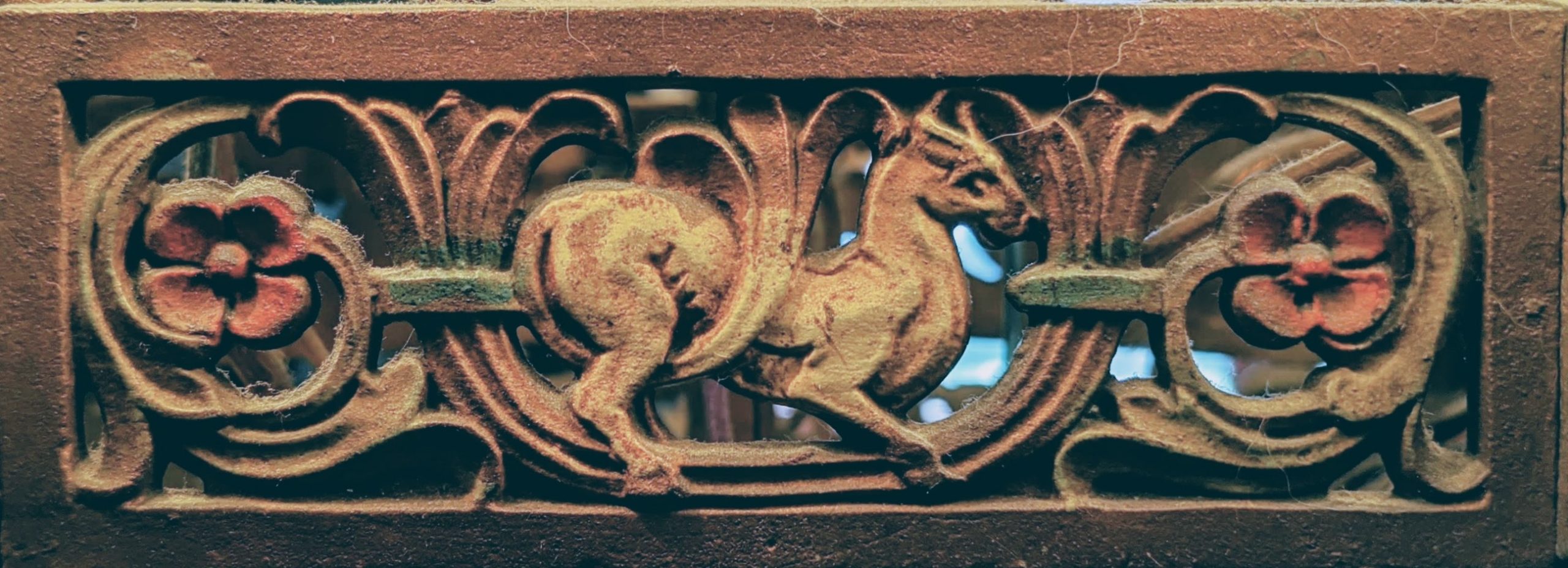
CURIOUS ABOUT YOUR HOME?
Your home may have a story worth protecting.
If you own an older or distinctive home and are curious about its history, historic designation, or whether the Mills Act might be worth exploring, I’d be happy to help you take the first step and connect you with the right resources.
