


Sometimes the most valuable improvement you can make to an older home is preserving what's already there.
Sometimes the most valuable improvement you can make to an older home is preserving what's already there.
There's something special about walking into a vintage home and discovering that its original character has survived the decades.
Perhaps it's a colorful bathroom tile installation from the 1930s, an old wooden window with its original hardware, or a beautifully crafted built-in cabinet that has been part of the house since the day it was built.
These details tell a story.
Throughout Burbank, Glendale, Pasadena, Altadena, and the surrounding communities, we're fortunate to have an extraordinary collection of homes built during some of Southern California's most interesting architectural periods.
Unfortunately, many of their defining features have disappeared in the name of modernization.
I believe there's a better approach.
Renovating an older home doesn't necessarily mean making everything new. Often, the most successful improvements are those that thoughtfully combine modern conveniences with the home's original craftsmanship.
Before you begin your next remodeling project, here are five original features worth taking a second look at.
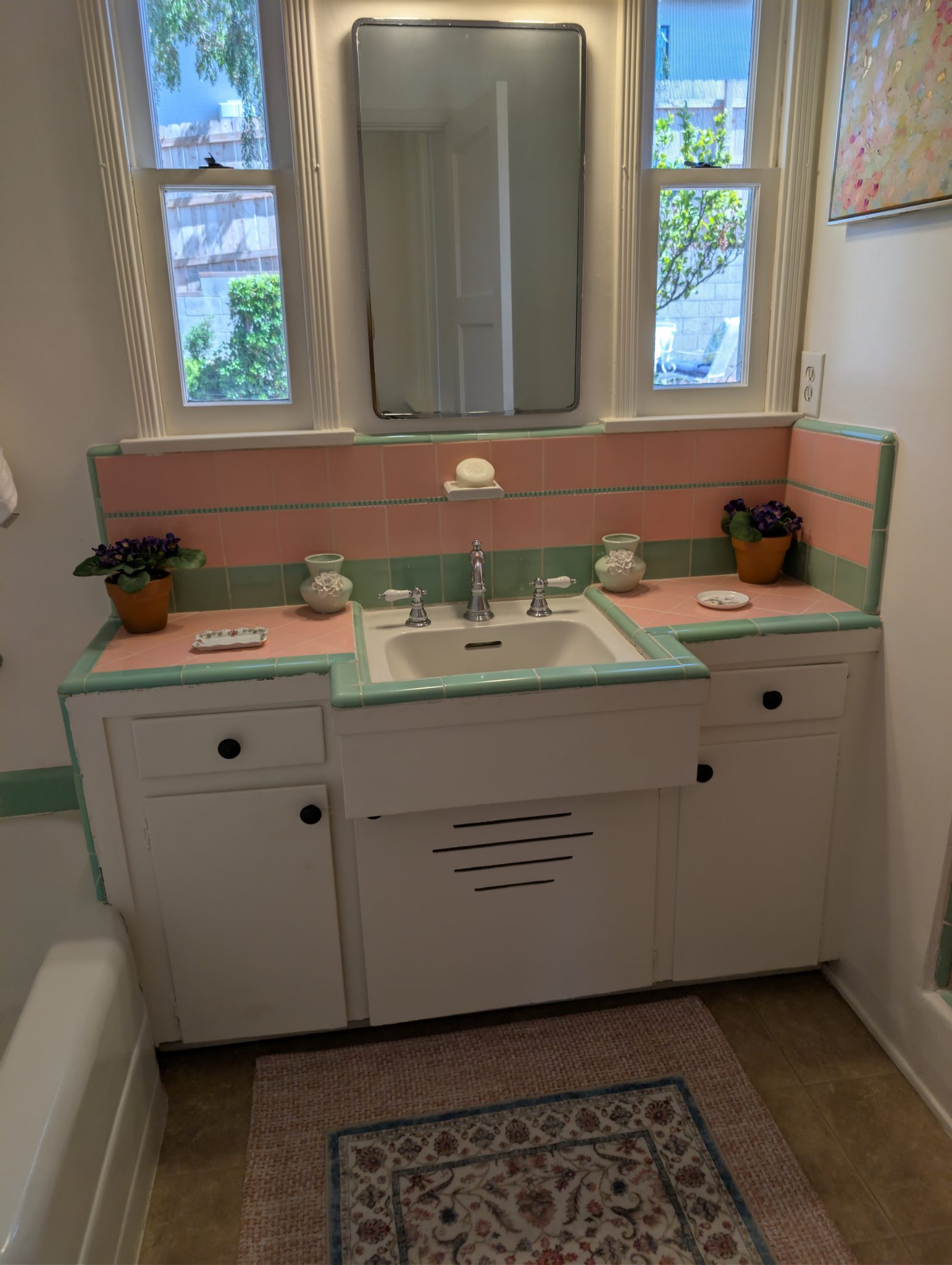
1. Original Bathroom and Kitchen Tile
Few things capture the personality of a vintage Southern California home quite like its original tile.
The soft greens, pinks, yellows, and blues of early- and mid-20th-century bathrooms are unmistakable. So are the decorative ceramic tiles surrounding many Craftsman fireplaces.
Sadly, these installations are often among the first things removed during a renovation.
Yet original tile that's structurally sound may have decades of life remaining. Sometimes it's not the tile that's the problem at all. It's deteriorating grout, staining, or years of accumulated residue.
Before considering demolition, investigate whether cleaning, regrouting, or localized repairs could restore its appearance.
One specialist whose work I've found particularly impressive is Michael Taylor of ReGrout USA. His company specializes in removing deteriorated grout and replacing it while preserving the original tile. For homeowners fortunate enough to have vintage tile in good condition, this kind of work can make a remarkable difference.
If you're adding tile or replacing missing decorative elements, another wonderful resource is Pasadena Craftsman Tile. Their handcrafted work follows the Arts and Crafts tradition, including beautiful Batchelder-inspired designs and custom decorative pieces.
Of course, damaged waterproofing, loose tile, and underlying moisture problems need to be addressed before cosmetic restoration.
My advice: Before you tear out that vintage bathroom, have someone experienced in historic tile evaluate what can be saved.
2. Original Wood Windows
Original wood windows are another feature frequently removed during renovations, usually in the name of energy efficiency.
But old doesn't necessarily mean obsolete.
Many vintage wood windows were built using quality lumber, traditional joinery, and components that can be individually repaired or replaced.
Loose glazing, worn weatherstripping, sticking sashes, and peeling finishes can make an old window seem beyond saving when it may actually be an excellent candidate for restoration.
When properly repaired and weatherized, historic windows can offer improved comfort while preserving the home's architectural appearance.
Their proportions, divided panes, original glass, and trim often contribute enormously to a home's character.
My advice: Have a qualified restoration professional evaluate your original windows before ordering replacements. The National Park Service offers an excellent guide, The Repair of Historic Wooden Windows.
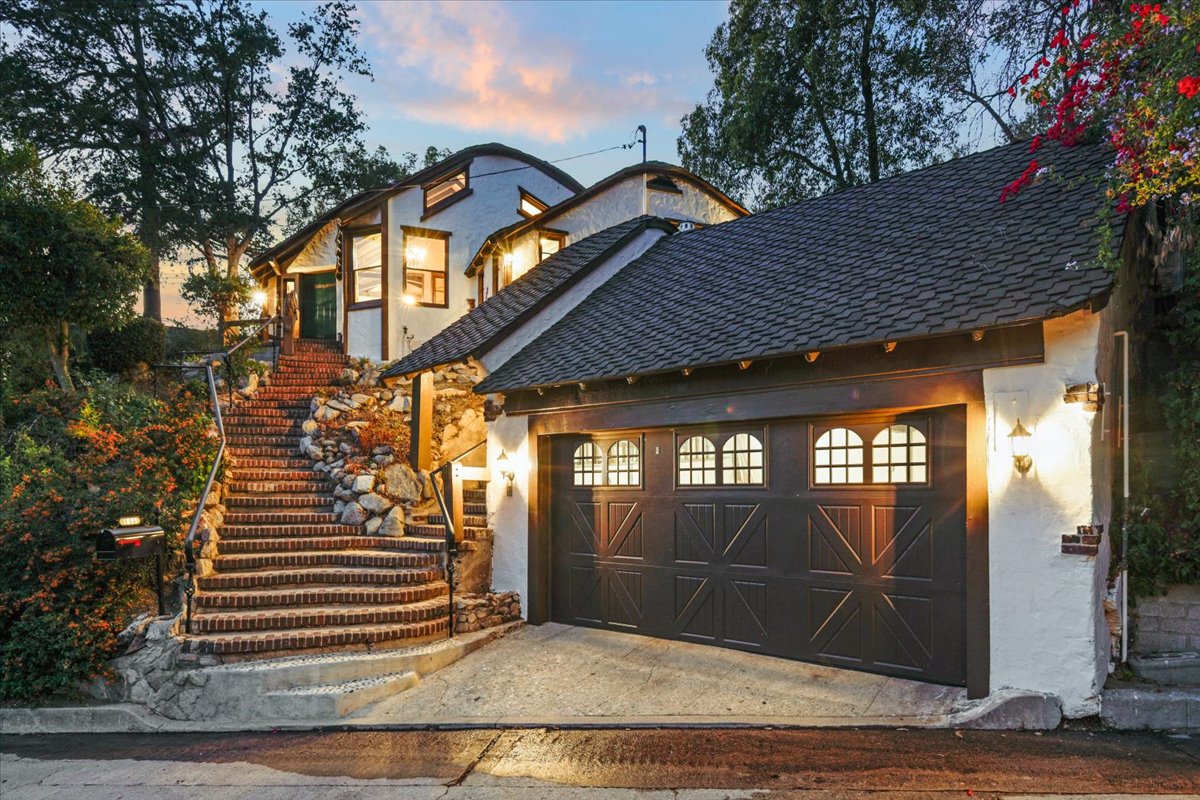
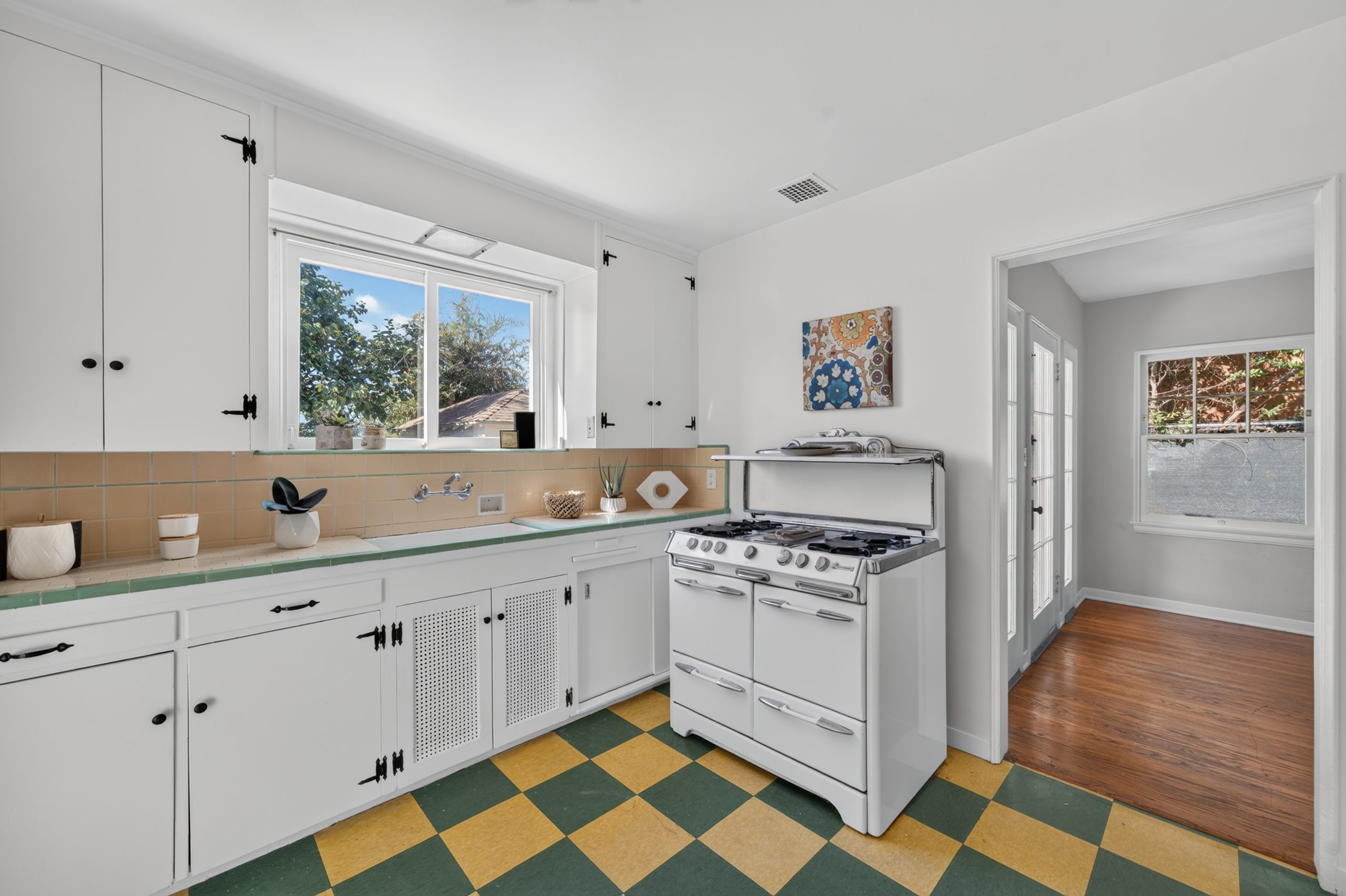
3. Original Kitchen Cabinetry and Built-Ins
There's a certain charm to the kitchens of the 1920s, 1930s, and 1940s that is difficult to recreate.
Think painted wood cabinets, inset doors, original glass-front cupboards, built-in breakfast nooks, and those wonderfully practical storage features that seem to have been designed specifically for the house.
These details may not fit today's prevailing kitchen trends, but that's part of what makes them interesting.
Rather than replacing everything, consider restoring cabinet fronts, repairing drawers, refinishing woodwork, or incorporating existing cabinetry into an updated kitchen design.
Sometimes new countertops, improved lighting, updated appliances, and carefully planned storage can make a kitchen considerably more functional without erasing its history.
Even original appliances, when safely restored and properly maintained, can become wonderful focal points.
My advice: Ask your designer or contractor to develop at least one renovation plan that retains the original cabinetry. You might be surprised by what's possible.
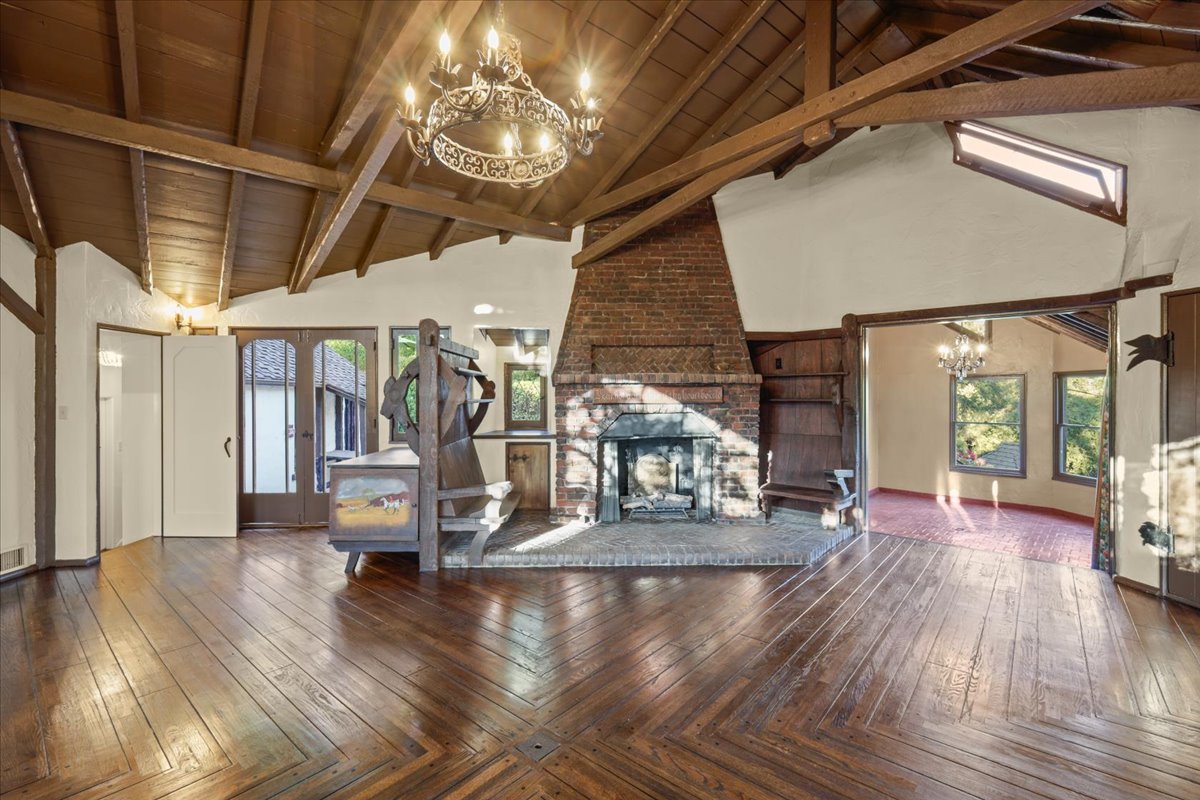
4. Original Hardwood Floors
Walk into a well-preserved California bungalow and there's a good chance you'll find beautiful hardwood floors.
Oak flooring, narrow-plank installations, decorative borders, and original wood finishes are all worth evaluating before replacement.
It's not uncommon for these floors to be hidden beneath carpeting or covered by later flooring materials.
And while decades of scratches, wear, and discoloration might make them look tired, many original wood floors can be repaired and refinished.
Even areas with damage may be candidates for selective board replacement rather than a complete tear-out.
The important thing is understanding the floor's condition, thickness, and previous refinishing history before deciding how to proceed.
My advice: Have an experienced hardwood-floor restoration specialist inspect the flooring before covering it with something new.
5. Original Doors, Hardware, and Light Fixtures
Sometimes the smallest details make the biggest impression.
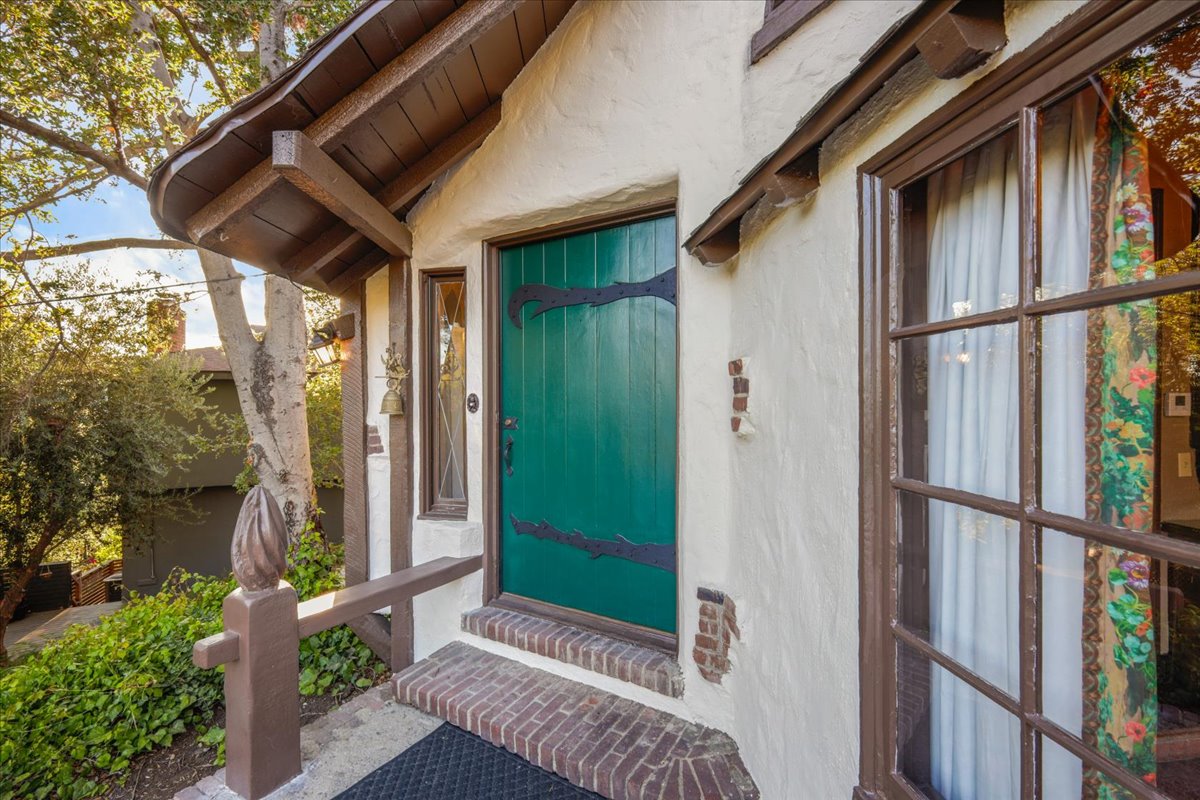
An original front door with its distinctive glass panels. A solid brass doorknob. A decorative backplate. A vintage wall sconce. Even an old mechanical doorbell.
These are the details that give a house its individuality.
They are also remarkably easy to overlook during a renovation.
Original doors can often be repaired, refinished, and fitted with updated weatherstripping or suitable security hardware. Vintage door hardware may be restored to working condition, while period light fixtures can sometimes be professionally rewired for safe continued use.
Not every component will be worth saving, and safety must always come first. But replacing an original feature simply because it looks old can mean losing something that cannot easily be recreated.
My advice: Before replacing original doors, hardware, or lighting, photograph and inventory what you have. Even pieces that cannot be reused immediately may deserve careful storage.
Preservation Doesn't Mean Living in the Past
I'm certainly not suggesting that every old feature should remain untouched.
Older homes often need upgraded electrical systems, improved plumbing, better insulation, modern heating and cooling, and other important improvements.
The goal isn't to turn our homes into museums.
It's to recognize that the very features that make an older house different from a new one may also be the features that make it most desirable.
Thoughtful restoration can preserve architectural integrity while accommodating the needs of modern living.
For homes subject to historic designation or preservation agreements, it's also important to understand any applicable requirements before beginning exterior or interior work.
And when renovating homes built before 1978, be mindful of potential lead-based paint hazards and use appropriately qualified professionals.
A Few Resources Worth Keeping
For those interested in preserving or restoring original home features, here are several useful starting points:
Pasadena Craftsman Tile — Beautiful handcrafted decorative tile and Arts and Crafts-inspired designs, including Batchelder revivals.
ReGrout USA — Michael Taylor — Specialized grout removal and replacement for vintage tile installations, including historic bathrooms and kitchens.
Pasadena Heritage Referral Directory — A resource for locating preservation-oriented professionals and craftspeople.
National Park Service Preservation Briefs — Practical guidance on repairing and maintaining historic architectural features.
Before You Replace It, Consider Restoring It
One of the things I appreciate most about historic and character homes is that no two are exactly alike.
Their imperfections, craftsmanship, and architectural details are part of their identity.
The next time you're considering a remodel, take another look at what's already there.
You may discover that the best feature of your newly renovated home is something that's been there all along.
We don't inherit great homes from the past. We borrow them from the future.
Stefan Doomanis
The Stewardship Agent
