

Breeze Blocks and the Character Worth Saving
An old wall can be easy to overlook. Until someone decides it needs to go.
I recently came across a story out of Phoenix about a design firm rescuing midcentury breeze-block walls that were headed for the dump. It caught my attention because these are exactly the kinds of details I think deserve a second look before a renovation begins.
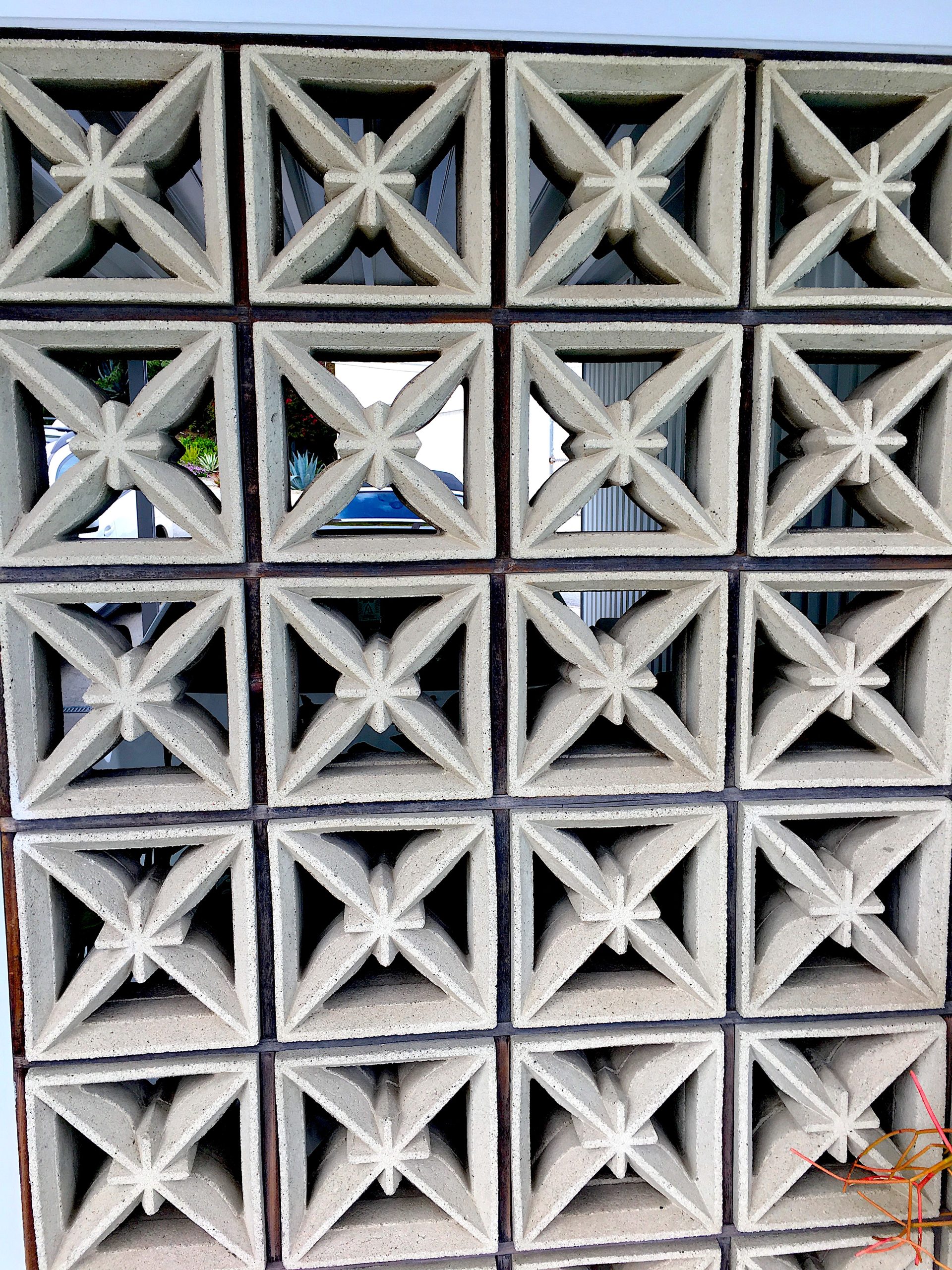
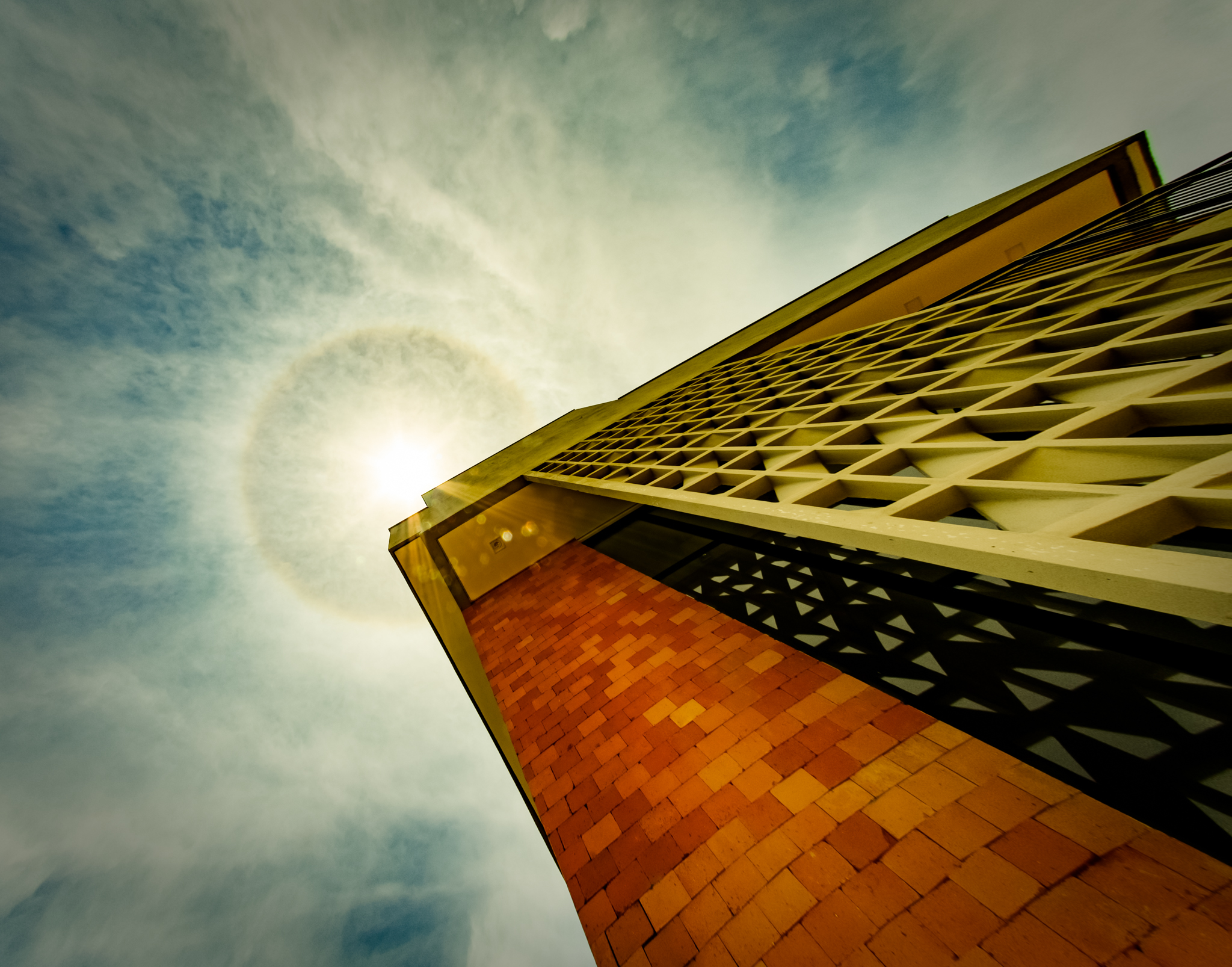
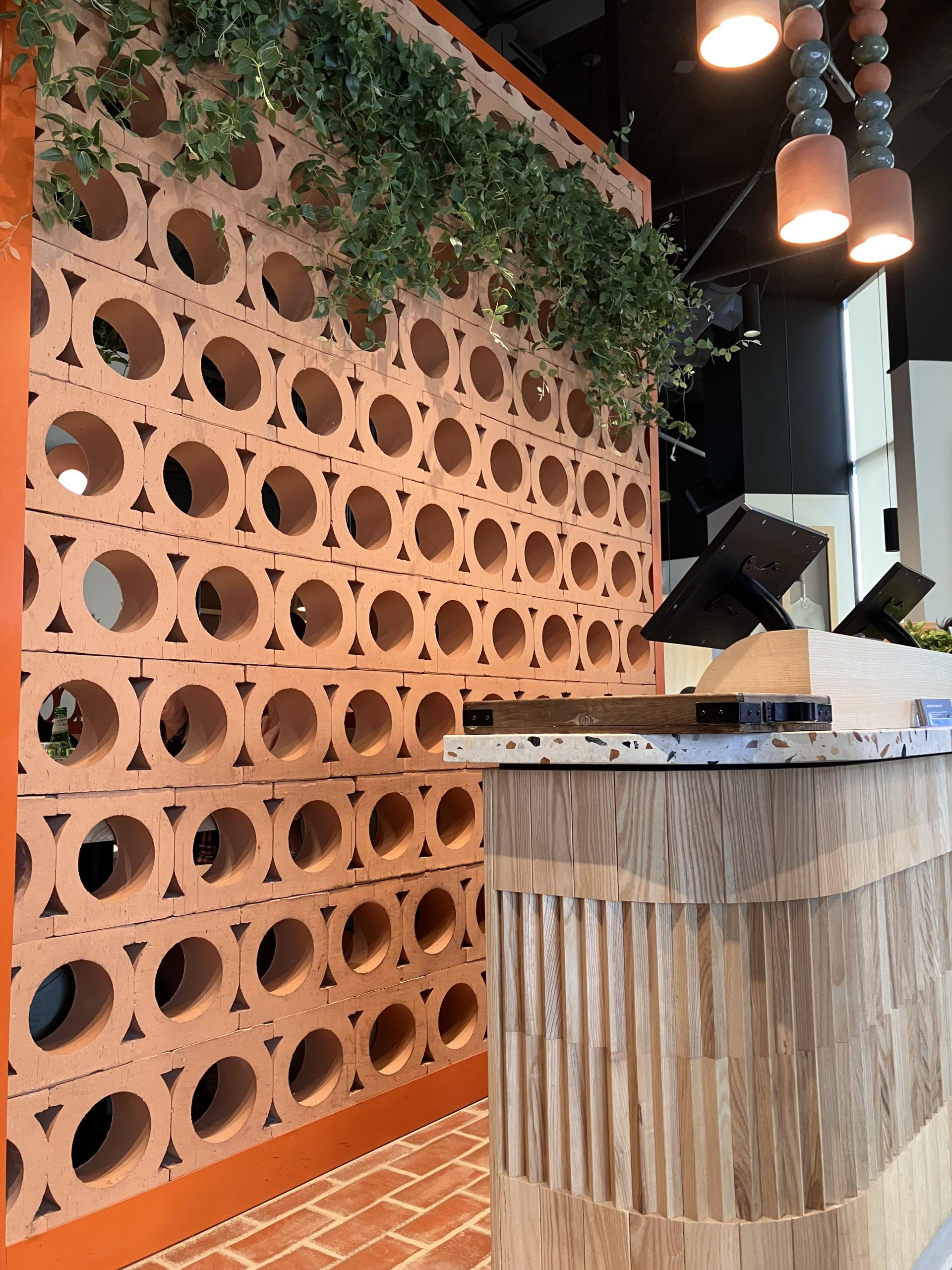
You probably know the blocks even if you have never known their name. They are the patterned concrete screens with openings through them, sometimes arranged in circles, sometimes in angular or flower-like shapes. One repeating shape becomes an entire wall. Add sunlight, and the shadows become part of the design.
According to reporting by Hailey Mensik of the Phoenix Business Journal, shared by ABC15, 180 Degrees Design + Build stepped in to salvage about 100 breeze-block walls. The firm is installing the rescued panels at locations around the Valley, including Phoenix Country Club, a new ChopShop restaurant, and a Chandler office building. The report places the effort within a broader local interest in reusing architectural components when entire buildings cannot be retained. Read the ABC15 story.
I am glad someone saw enough value in those walls to make the effort. It also made me want to learn more about how something so simple became such a recognizable part of midcentury architecture.
An old idea with a modern pattern
Architectural screens have a much longer history than their association with the 1950s might suggest. For centuries, builders used pierced stone, wood, and clay to shade and ventilate buildings in hot climates. Here in California, Frank Lloyd Wright and his son Lloyd experimented with perforated concrete blocks in the 1920s, including open screens and railings. Those early experiments helped establish possibilities that later designers would explore. Historical research by Anthony Rubano.
The familiar decorative breeze block is a concrete screen unit. Its openings allow air to pass through while the wall provides a measure of privacy and sun protection. These are generally nonstructural units, rather than the blocks carrying the weight of a house. Their purpose is to divide or shelter a space while keeping it open to the air. More about breeze blocks.
That is a thoughtful way to handle a patio or an entrance. You can create a sense of enclosure without completely shutting yourself away. And the pattern has a job to do beyond looking good.
How breeze blocks became part of California living
Architect Edward Durell Stone helped bring masonry screens to wide attention through his 1950s work, including the American embassy in New Delhi. By the late 1950s and 1960s, concrete screens were appearing across American homes and commercial buildings. Manufacturers promoted them heavily, with California producers placing material in publications such as Sunset and the Los Angeles Times. By the mid-1970s, their popularity had faded. Historical research by Anthony Rubano.
Southern California was an important center of production. Tesselle’s overview of Ron and Barbara Marshall’s book, Concrete Screen Block: The Power of Pattern, identifies the North Hollywood Concrete Tile Company among the manufacturers. Because the blocks were heavy, they were commonly produced and sold locally. That gives these seemingly ordinary walls a connection to the building trades and businesses of their own communities. More about screen-block history.

Finding breeze blocks for your home
If you have an original breeze-block wall, I would start by finding out whether it can be repaired. Photograph the pattern and measure the blocks, including their thickness. A similar-looking replacement may not be an exact match.
Whether you need a few replacement blocks or are planning something new, here are a few places to begin.
Look locally first. Facebook Marketplace can be a great place to look for original breeze blocks. Try searching “breeze blocks,” “screen blocks,” and “decorative concrete blocks” in Burbank, Glendale, and surrounding communities. Ask whether they are salvaged originals or newer leftover material. You might find the pieces needed to repair your wall—or save someone else’s unwanted blocks before they are discarded. I especially like that possibility.
Salvaged originals. Garden City Recycle & Salvage in San Jose lists breeze blocks among its reclaimed architectural materials. It is farther from our area, but a useful lead if you are searching for a particular pattern. Salvage inventory changes, so confirm availability, quantities, condition, and pickup or shipping arrangements before making plans.
Newly made blocks. ORCO Block & Hardscape offers patterns including La Costa, Square on Square, and Pinwheel. Its product pages include dimensions, and the company recommends checking physical samples for color and texture.
Tesselle offers a broad selection of newly made breeze blocks with nationwide delivery. Its collection is another useful place to explore patterns for an existing home or a new project.
More designs to explore. Breeze Blocks Malaysia has some wonderful designs, including Leaf, Seafoam, and Matrix patterns. The company is based in Malaysia, so this is also a resource for inspiration. If you are considering purchasing, confirm U.S. shipping availability and the full delivered cost directly with the supplier.
When shopping, ask whether a block is a salvaged original, a reproduction of a specific historic pattern, or a contemporary design. “Midcentury style” alone does not mean it will match your existing wall. Compare actual dimensions, thickness, and finish, and get a sample when possible.
Another perspective. I also enjoyed this post from Arch2O Magazine on Facebook. Its appreciation for these architectural details feels very much at home here in The Journal.
I like seeing these materials available again. A thoughtful new installation can carry the tradition forward. And sometimes, finding just a few matching blocks can help an original wall stay right where it belongs.
Before the wall comes down
My preference is to see original features remain where they belong whenever that is possible. A wall’s placement matters. It may have been designed to shelter a window, give privacy to a patio, or shape the approach to the front door. Moving it means losing some of that relationship, even when the material survives.
Still, I appreciate the practical response in Phoenix. When a wall is going to be removed, finding it another use gives the original material a future. I would like to see that possibility considered earlier, while there is still time to plan for it.
For a homeowner, the first step can be simply pausing before calling something dated. Find out what the feature is, why it was put there, and whether it can be retained. A familiar detail may be doing more for the home than you realize.
That is how I think about stewardship. The original fireplace matters. So does the kitchen tile. A modest patterned wall beside a driveway deserves consideration, too. I do not think a feature needs to be grand or expensive to earn our care.
The next time you pass a breeze-block wall, take a moment to look at it. Look at the pattern, the way it frames the space behind it, and what the light does as it passes through. There was thought behind that wall. I would hate to see it disappear before anyone noticed.
Sometimes stewardship begins with nothing more complicated than paying attention.
