

Why the Details Matter
Sometimes the smallest things tell you the most about a house.
Walk through an older home and it's easy to focus on the obvious things—the architecture, the floor plan, the size of the rooms. But I'm often drawn to something smaller.
An original light fixture. A piece of tile. Old hardware. A built-in cabinet. Even something as ordinary as a recipe permanently fired into the kitchen tile.
Almost none of these details are essential. A house would function perfectly well without them. But remove enough of them, and something begins to disappear. They are part of what tells us when a home was built, how people lived there, and what someone once thought was worth making beautiful.
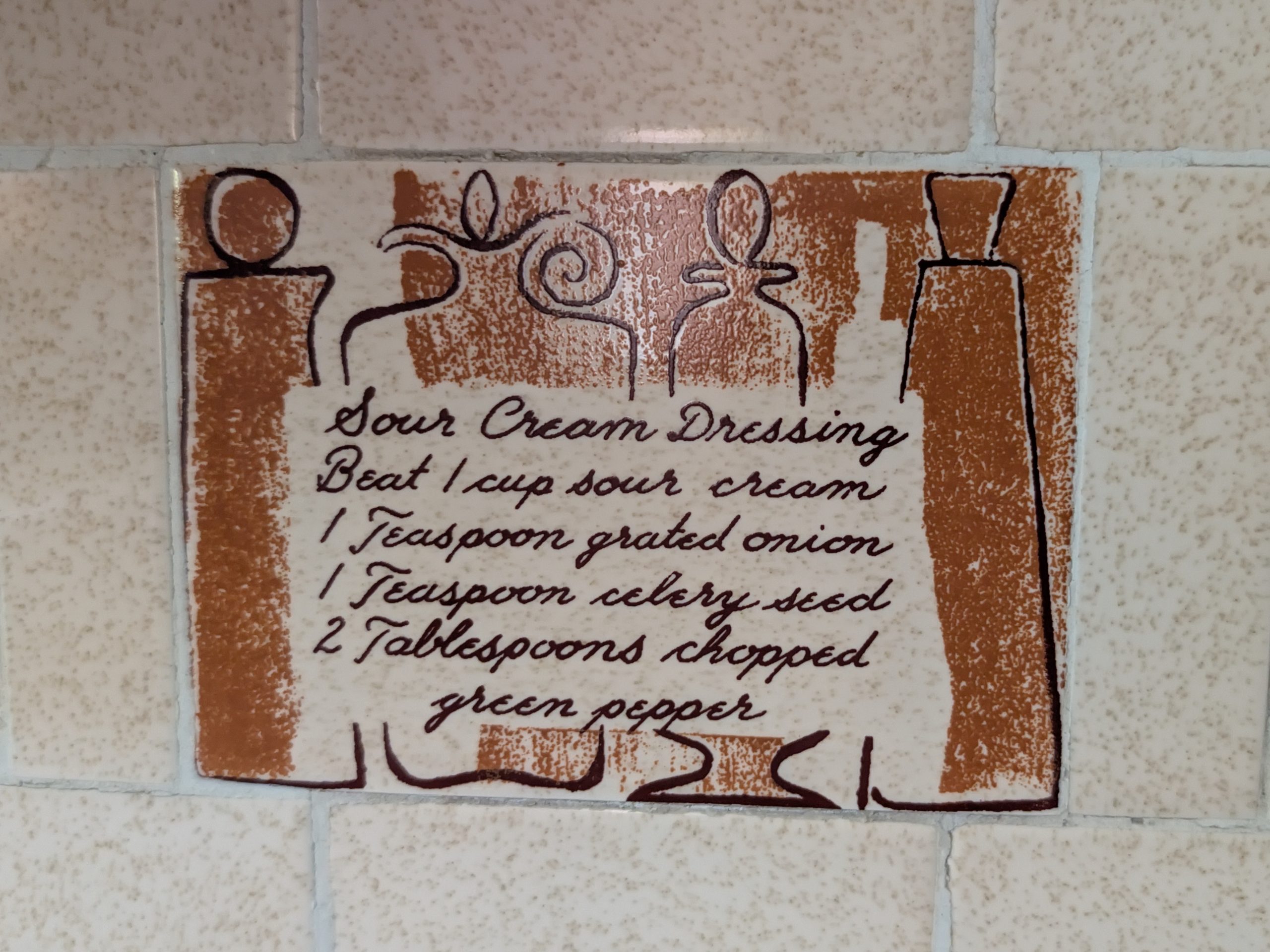
Instead, it survived.
This little recipe could easily have disappeared during any number of kitchen updates. Someone could have decided it was dated, odd, or simply in the way.
Instead, it survived.
And that's what interests me. Not because every old detail needs to be preserved forever, but because once something original is removed, we usually can't get it back. A reproduction may look right. It may even be beautifully made. But it doesn't carry quite the same connection to the people who chose it, used it, and lived with it.
That's why I think it's worth pausing before we automatically replace the unusual, imperfect, or unfashionable parts of an older home. Sometimes those are precisely the things that make the house worth remembering.
Old doesn't have to mean untouched.
Homes are meant to be lived in, and every generation leaves something behind. Systems need updating. Rooms need to function differently. Materials wear out.
Preservation isn't about refusing change. It's about knowing enough to recognize what you're changing—and deciding whether something that has survived for decades deserves to survive the next decision, too.
Sometimes the answer will be no. But I think it's a question worth asking.

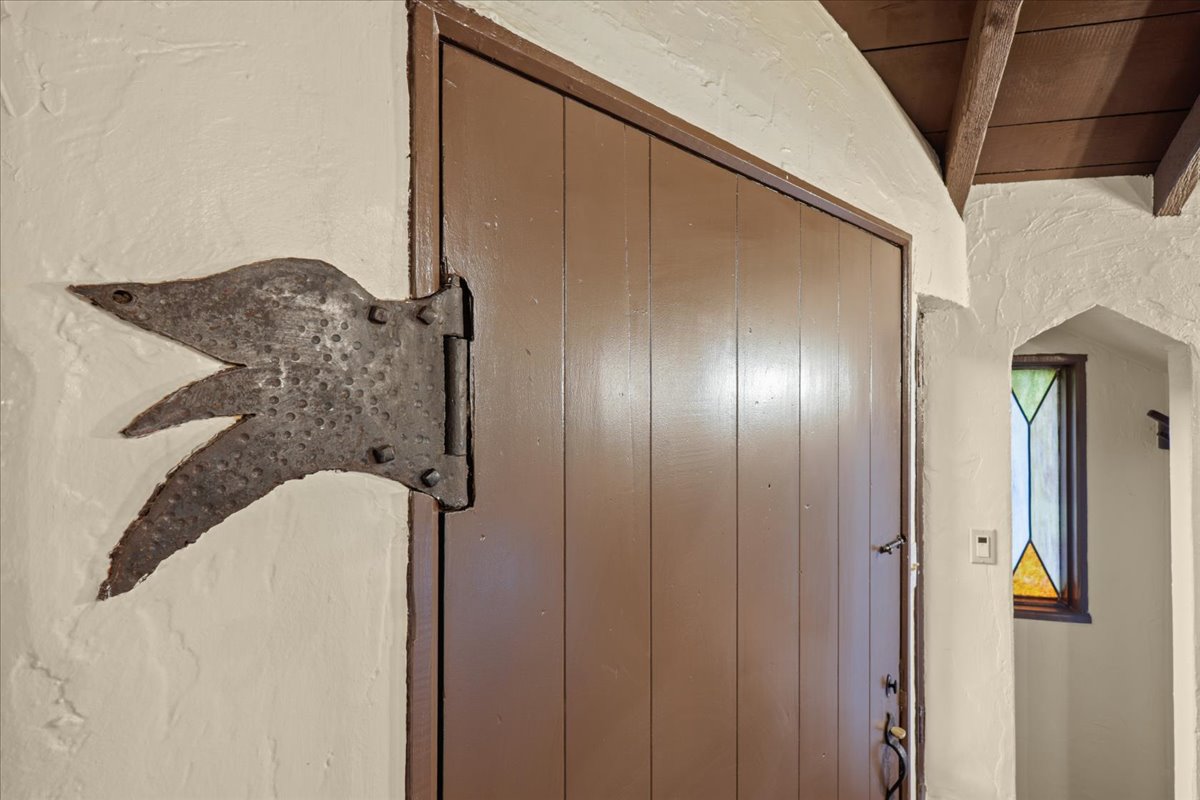
Look first. Then decide.
The details that give a home its character are often the easiest things to overlook—and sometimes the easiest things to lose.
I don't believe every old thing needs to stay simply because it's old. But before something disappears, I think it's worth understanding why it was there, what it contributes, and whether losing it changes something about the house that can't quite be put back.
Sometimes stewardship begins with nothing more complicated than paying attention.
